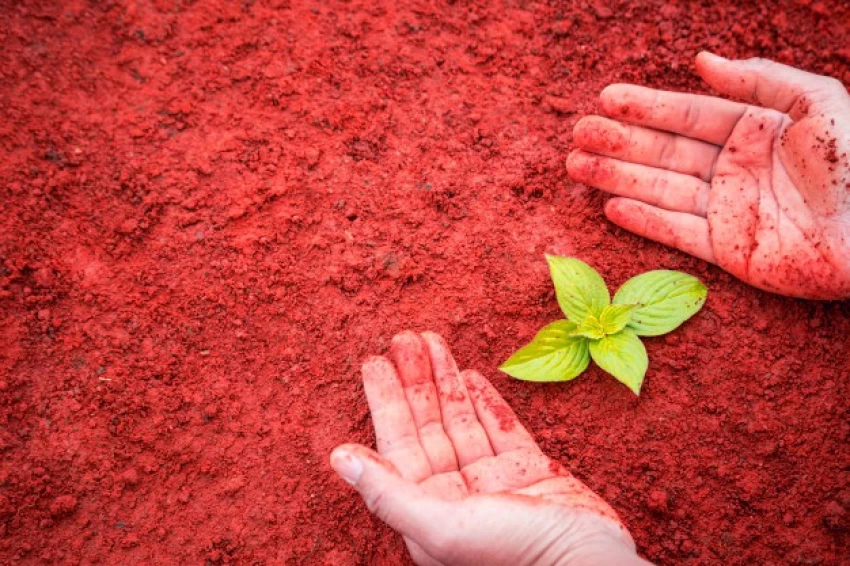
Red soil, distinguished by its characteristic reddish hue attributed to the presence of iron oxide, serves as a vital component of agricultural landscapes in many regions. Its coloration is indicative of its mineral-rich composition, which plays a significant role in supporting crop fertility. Typically, red soil exhibits a moderate pH range, varying from slightly acidic to neutral, providing a favorable environment for a wide range of crops.
Despite its inherent fertility, the nutrient profile of red soil can vary, with levels of nitrogen, phosphorus, and potassium (NPK) influenced by factors such as weathering, organic matter content, and agricultural practices. While red soil often contains essential nutrients necessary for plant growth, including micronutrients like iron and manganese, farmers may need to supplement certain nutrients through fertilization to meet the demands of high-yield crop production.
Crop evaluation on red soil entails a comprehensive assessment of various factors, including its drainage capabilities, texture, and nutrient-holding capacity. Certain crops exhibit a preference for red soil due to its favorable characteristics. For instance, crops like groundnuts, millets, pulses, and certain varieties of cotton thrive in the well-drained yet moisture-retentive nature of red soil, utilizing its nutrient-rich composition for robust growth and development.
To optimize crop productivity and ensure sustainable agricultural practices on red soil, farmers employ a range of management strategies. This may include the judicious application of soil amendments, such as organic matter or lime, to improve soil structure and enhance nutrient availability. Additionally, adopting effective irrigation management techniques and implementing crop rotation practices can help mitigate soil degradation and nutrient depletion, thereby enhancing long-term productivity and resilience of red soil farmland.