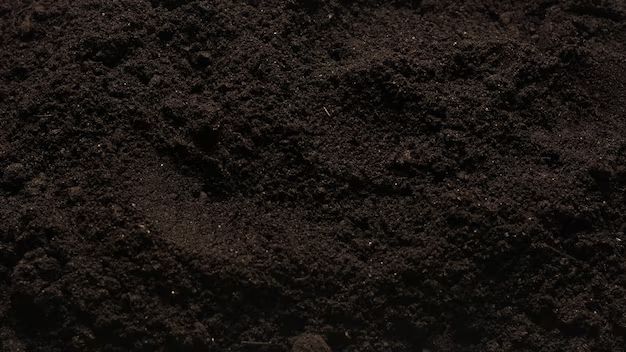
Black soil, also known as regur soil or black cotton soil, boasts exceptional fertility due to its high organic content and mineral composition. It possesses a pH range of 7 to 8.5, offering a neutral to slightly alkaline environment ideal for many crops. This soil type typically exhibits high levels of nitrogen, phosphorus, and potassium (NPK), essential nutrients for plant growth and development.
The fertility of black soil fosters robust crop production, supporting a wide range of agricultural endeavors. Its moisture-retentive properties aid in sustaining crops during dry spells, while its well-draining nature prevents waterlogging, creating an optimal balance for plant growth. Additionally, the soil's inherent structure promotes root penetration and nutrient uptake, enhancing crop vigor and yield potential.
With its favorable characteristics, black soil is particularly suitable for cultivating various crops such as cotton, soybeans, maize, chickpeas, and sorghum. These crops thrive in the nutrient-rich environment provided by the soil, leading to healthy growth and bountiful harvests. Farmers often prioritize black soil areas for planting high-value cash crops due to its proven track record of supporting successful cultivation.
The evaluation of black soil for agricultural purposes involves assessing its physical, chemical, and biological properties. Soil testing helps determine nutrient levels, pH balance, and potential limitations for crop production. By understanding the soil's characteristics, farmers can implement targeted management practices such as fertilization, irrigation, and crop rotation to optimize productivity and sustainability on black soil farmland.