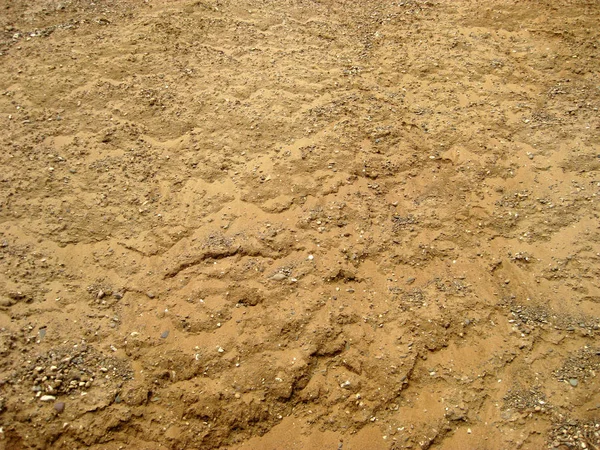
Alluvial soil, formed by the deposition of sediments carried by rivers and streams, is renowned for its exceptional fertility owing to its rich mineral content and organic matter. Its pH typically ranges from slightly acidic to neutral, providing an optimal environment for crop growth.
Alluvial soil is characterized by balanced levels of nitrogen, phosphorus, and potassium (NPK), essential nutrients for plant development. This nutrient profile supports vigorous crop growth and high yields, making it suitable for a wide range of agricultural practices.
Crop evaluation on alluvial soil involves assessing its texture, drainage, and nutrient composition. Its loamy texture and good drainage facilitate root penetration and water infiltration, contributing to healthy plant growth. Farmers often grow rice, wheat, sugarcane, and various vegetables on alluvial soil due to its fertility and suitability for diverse crops.
To maximize productivity on alluvial soil, farmers employ soil testing to determine nutrient levels and pH balance. By adjusting fertilizer application and irrigation practices based on soil analysis, they can optimize crop performance and ensure sustainable agricultural practices. Additionally, crop rotation and other management strategies help maintain soil fertility and mitigate potential nutrient depletion over time.