Fertilizers
Types of Fertilizers
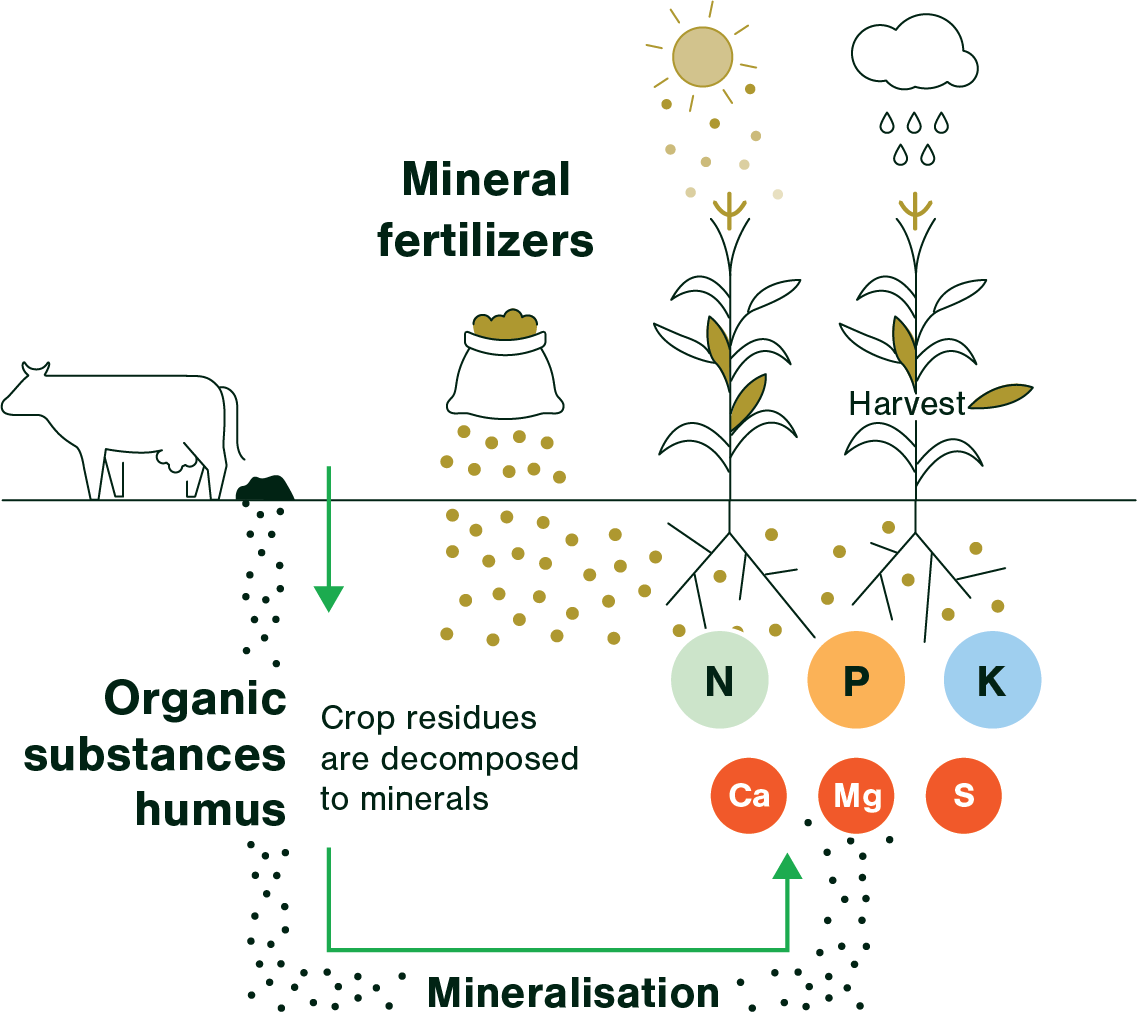
These are made from natural materials such as manure, compost, and peat moss. Organic fertilizers are generally easier on the environment, but they are slower acting than chemical fertilizers and they can cost more money. Some organic fertilizers have special properties that help to condition soil and improve its structure over time. Organic fertilizers are derived from plant or animal sources. They provide nutrients for plants through decomposition. The most common organic fertilizer is composting material from an animal source (such as manure or composted chicken litter). This type of fertilizer helps retain moisture in the soil and adds essential nutrients to it.
Uses Of Fertilizers
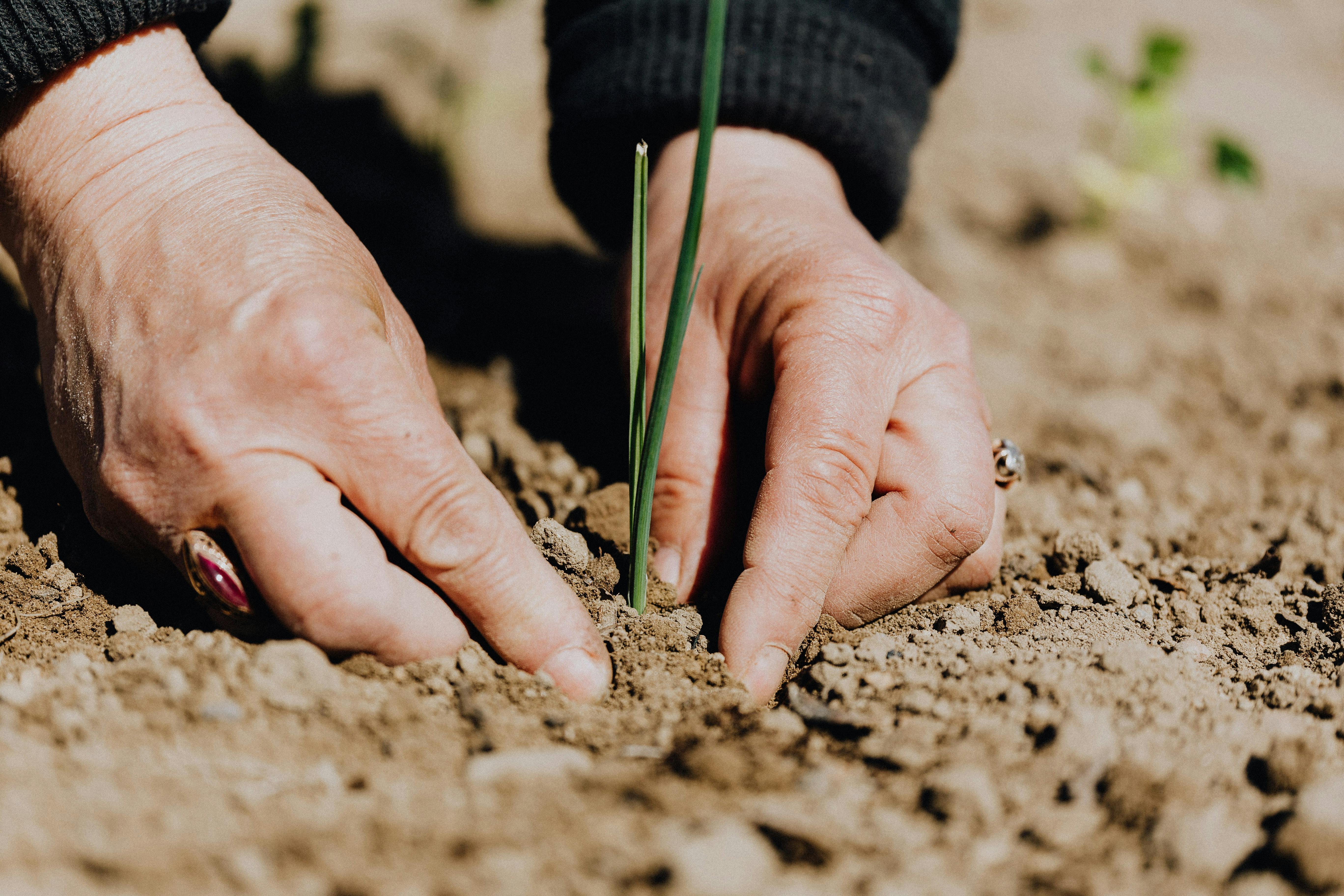
Fertilizers are used in farming and gardening to make plants grow better. They give plants the nutrients they need, like nitrogen, phosphorus, and potassium. This helps plants grow faster, produce more fruits or flowers, and stay healthy. Fertilizers also fix soil problems and make sure plants get enough food. They're important for growing more food and keeping plants strong.
Vermicomposting
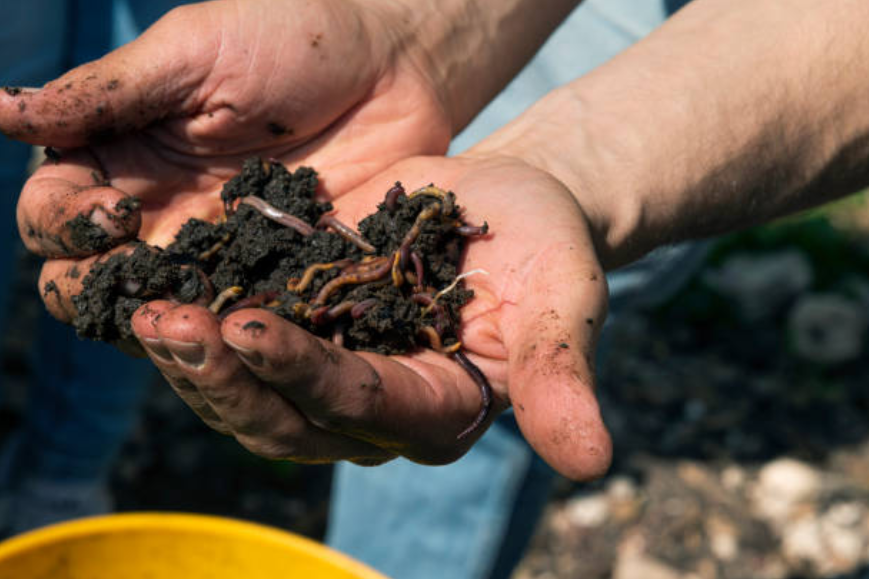
Vermicomposting is a way to recycle food scraps and other organic stuff using worms. Instead of throwing away things like fruit peels, vegetable scraps, and even paper, you feed them to special worms called red wigglers or earthworms. These worms munch on the waste and turn it into something called worm poop, or "castings." It might sound gross, but these castings are like superfood for plants because they're packed with nutrients. You can mix them into soil to help plants grow better. Vermicomposting is a great way to cut down on garbage, help the environment, and make your plants happy. Plus, it's easy to do at home with a simple worm bin setup.
How can fertilizers increase production in crops?
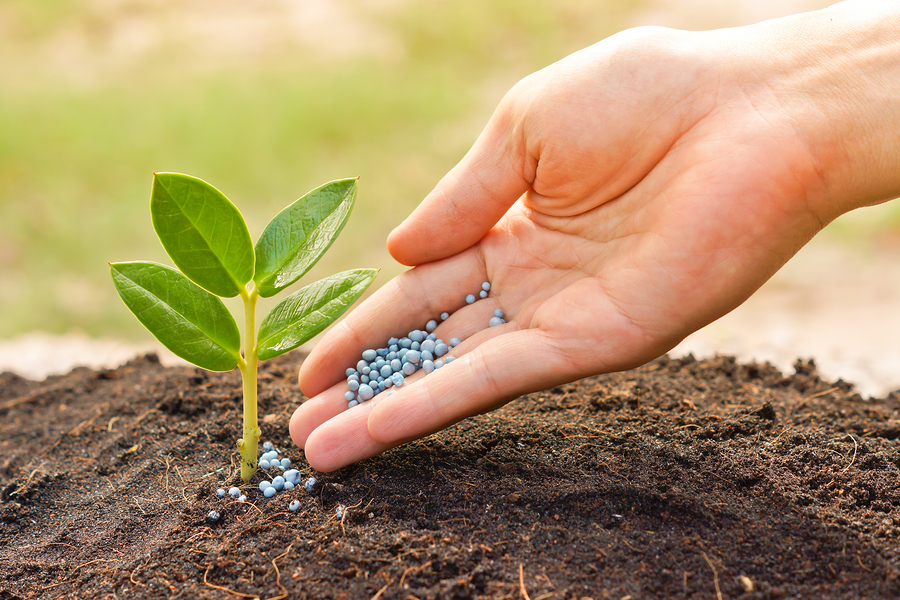
Fertilizers provide essential nutrients to crops, helping them grow faster, produce more fruits or grains, and resist diseases and pests. By supplying nutrients like nitrogen, phosphorus, and potassium, fertilizers boost plant growth, leading to higher crop yields. Essentially, fertilizers act as plant food, ensuring crops have what they need to thrive and produce more food for us.
Why are fertilizers important in crops?
Fertilizers are important in crops because they provide essential nutrients that plants need to grow and thrive. These nutrients, such as nitrogen, phosphorus, and potassium, are crucial for various aspects of plant development, including leaf growth, root development, flowering, and fruit production. Without fertilizers, crops may suffer from stunted growth, reduced yields, and increased susceptibility to diseases and pests.
How can overuse or misuse of fertilizers impact crop health and the environment?
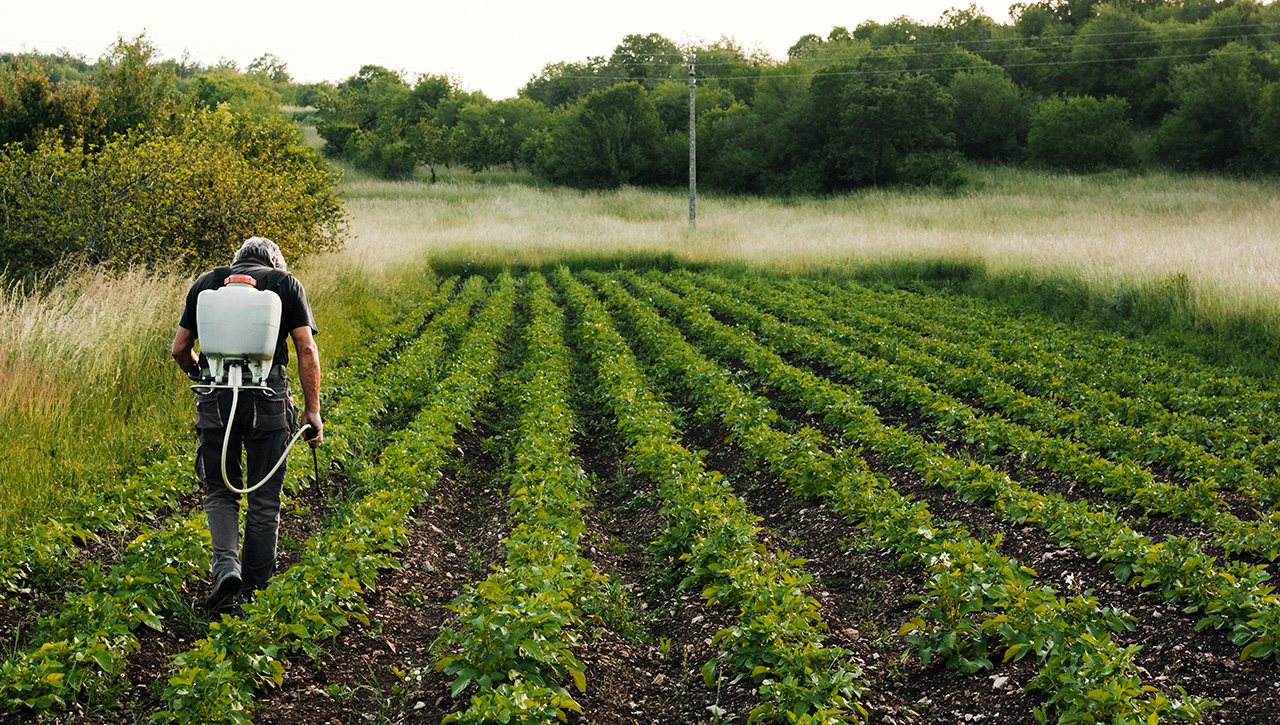
Overuse or misuse of fertilizers harms crops and the environment by disrupting soil nutrient balance, causing water and air pollution, contaminating groundwater, and degrading soil quality. To minimize these impacts, responsible fertilizer use and sustainable farming practices are essential.